Understand your world
We’re here to help you grow

As a part of my senior exhibition, I have taken up growing plants in Martian simulated soil, supplied by Plant the Moon. This hands on experiment has taught me more about patience, care, and the importance of every step, or leaf.
Keep up on the progress my plants make and see how they grow with me!

Overcoming obstacles
Waterlogging
Most experiments with this soil experience drowning due to how clay-like the soil is.
That’s why I am using the French drainage system, and using a spray bottle instead of a drip system.
Lacking nutrients
The simulated soil lacks a majority of macronutrients plants need to survive.
I have mixed in some Earthen soil to some of my pots to incorporate nutrients.
High acidity
This soil is known to have high acidity due to high alkalinity.
I am testing the pH of the soil and in the pots I am incorporating earthen soil, I am testing the levels and getting it as close to 7.0 or below as possible without altering the ratios in the soil.
Why lettuce?
Lettuce tend to like a more acidic soil, additionally they sprout the quickest, showing my results more efficiently before the deadline. These traits make lettuce more appealing for this experiment and soil.
Why Mars?
After a year of research, I still found myself asking: why should we cultivate Mars? In the end, these are some of the most compelling reasons I’ve discovered.
Advancement of technology
For the past few years there has been a major technological growth as the path to Mars starts clearing. Here are some of the biggest and most impactful advances.
Expansion of knowledge
Not only is Mars viewed as a blank slate, but it provides incredible potential regarding breakthroughs in planetary and botanical sciences.
Fulfillment of humanity’s drive
Throughout history, we have seen cultivation being a major push for humanity: colonizers travelled around the world, explorers risked their lives, and astronomers have even gone to the moon. Where’s next?
This is the research paper showing my first big step into astrophysics. This project first started in August of 2024, and since then, my passion and research have only grown.
The author
Isabella Markow
Indiana University, Class of 2029

Growing up, I aspired to be an astronaut. I had kept my love for space and my love for astronomy thrived. When I took physics my junior year, I fell in love with it as well, and then my teacher introduced me to astrophysics. Indiana University is my pathway to building rockets and taking humanity to Mars. I am aiming to get my masters in astrophysics and hopefully double majoring in aerospace engineering.
What’s next?
I believe humanity has the potential to become an intergalactic species. People often ask whether or not we’re capable of getting to Mars. My answer is absolutely. I believe that Mars is simply a stepping stone to our future, and that the real question is: how far can we go?
The sky’s no longer the limit once you’ve been there.
Celestron NexStar 8SE
My Telescope
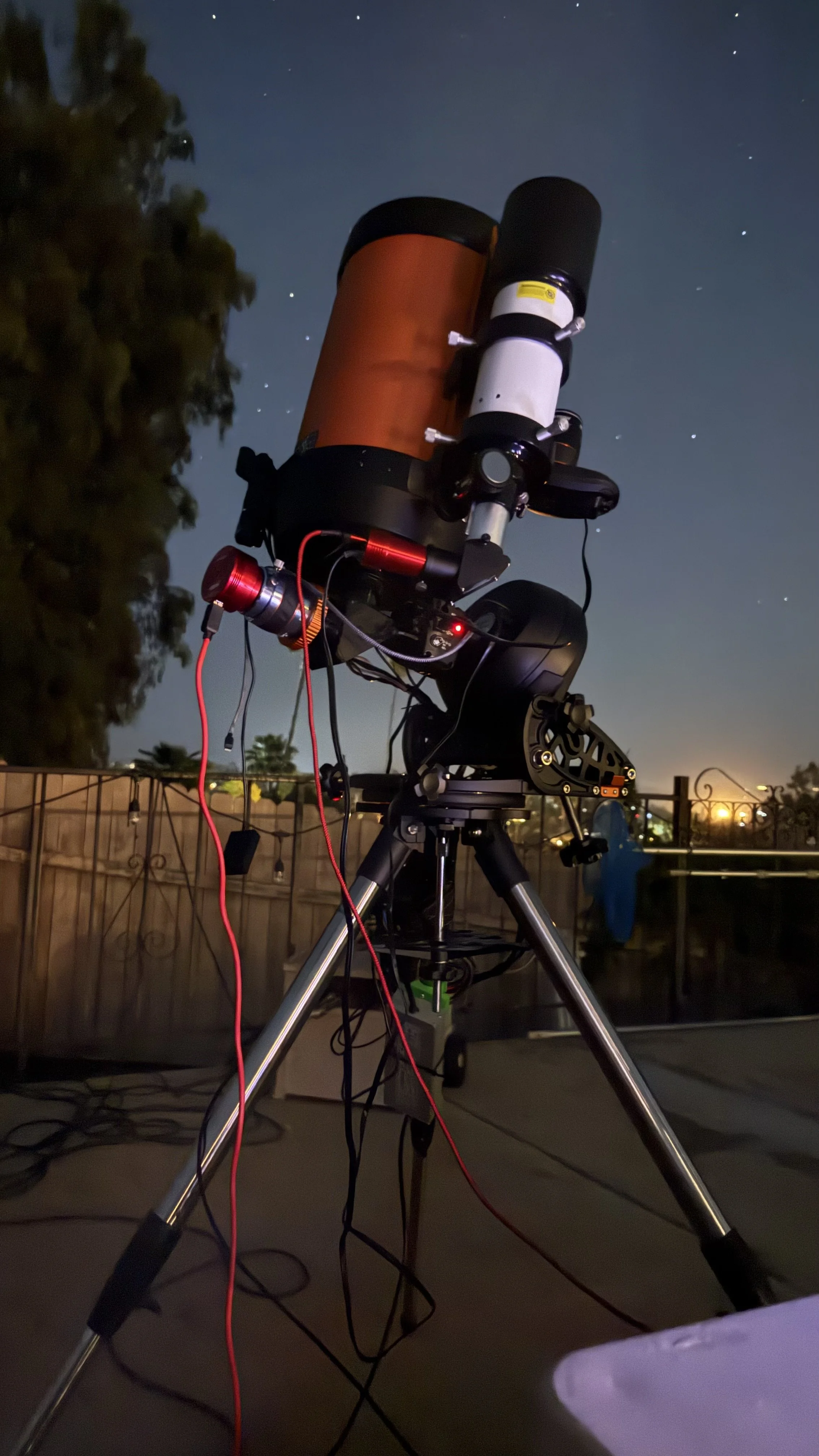
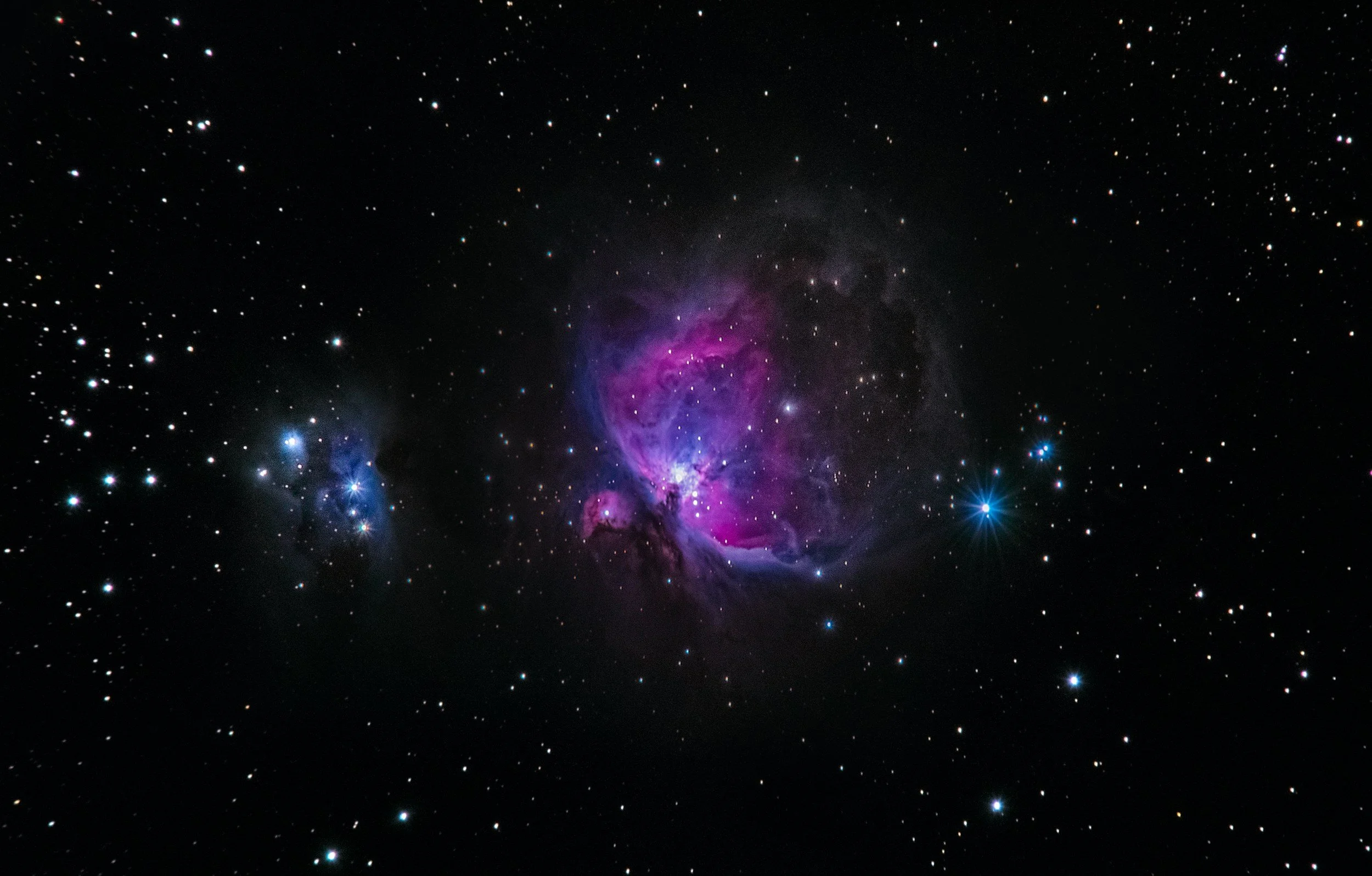
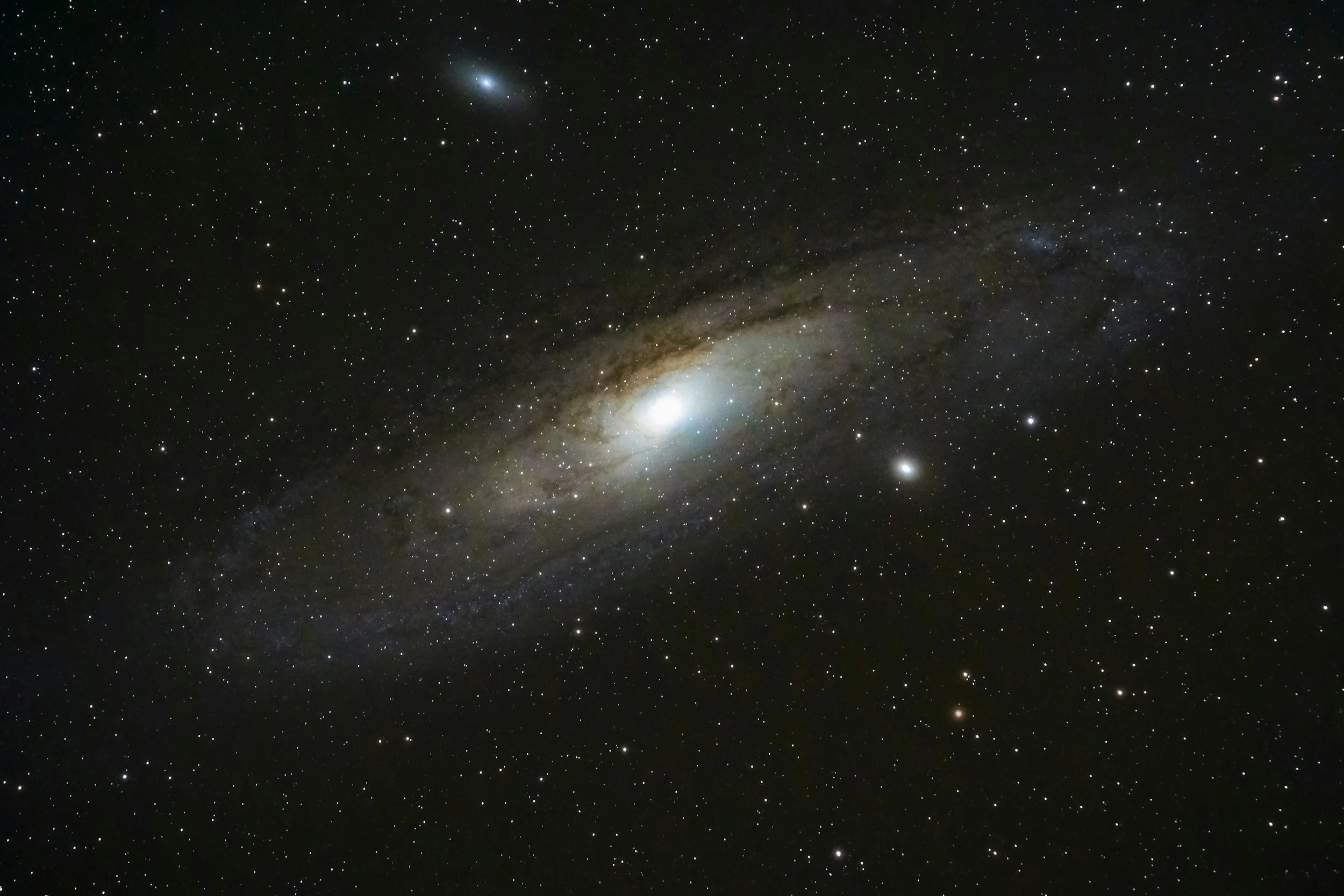
My dad had bought me this for my 17th birthday. Since then, it has only grown. My father and I will spend nights out there, sometimes until around two in the morning, wrapped in at least 3 layers and trying to cozy up as much as possible. We have gotten picures of planets such as Neptune, Jupiter, and Mars, along with nebulas such as the Orion Nebula, Horseshoe Nebula, and next we are looking at the California nebula!
See my telescope, progress, and pictures!